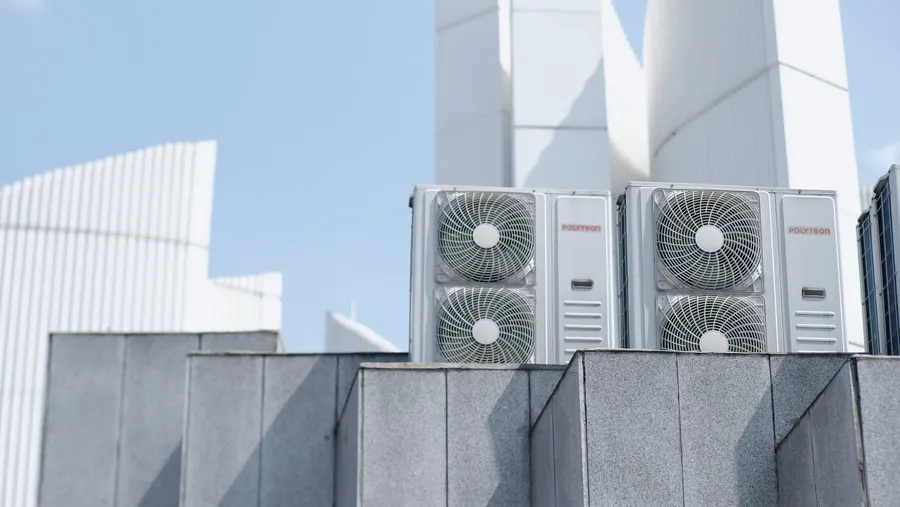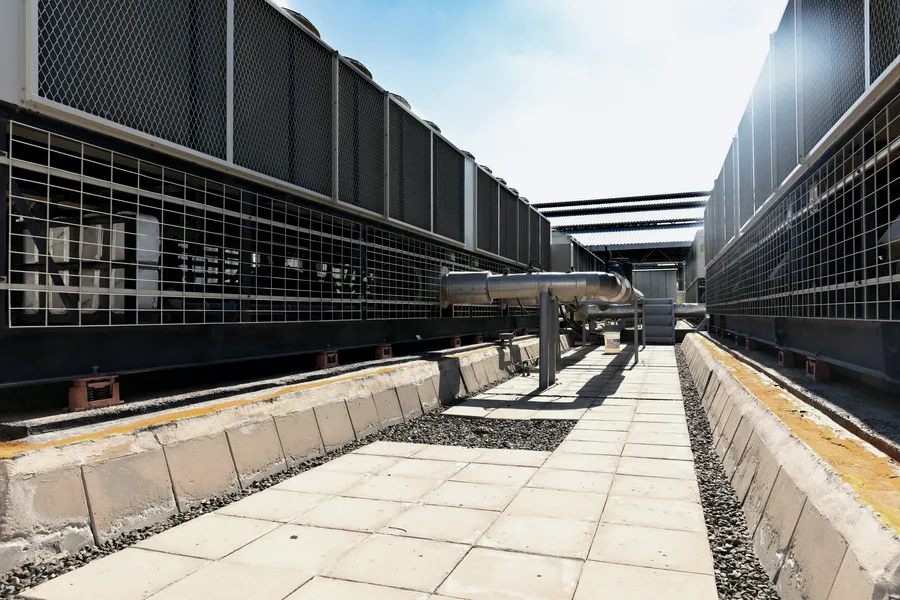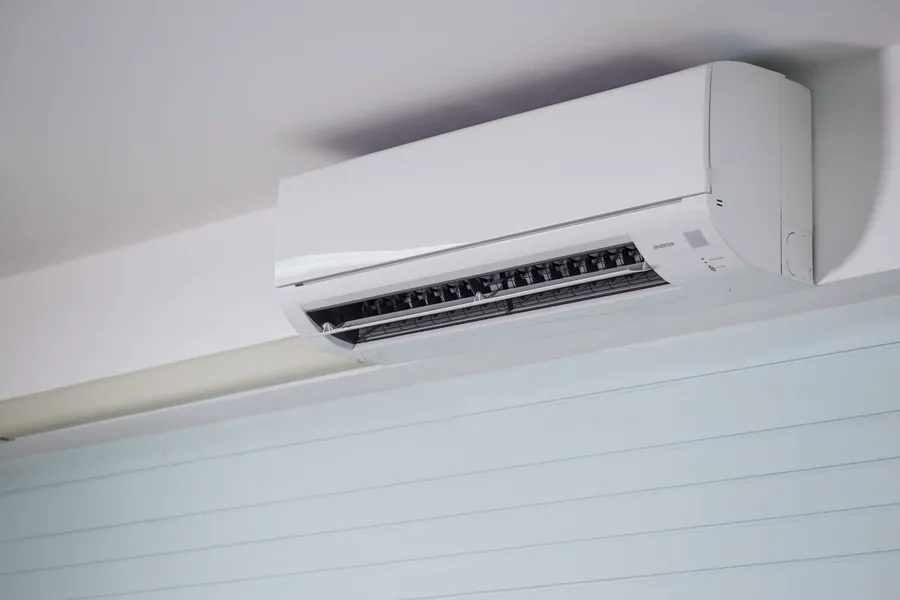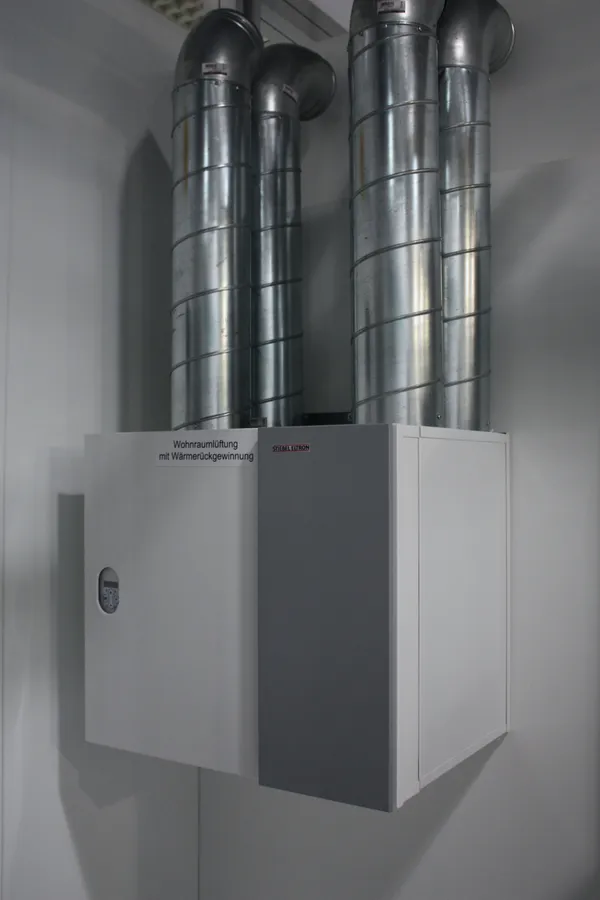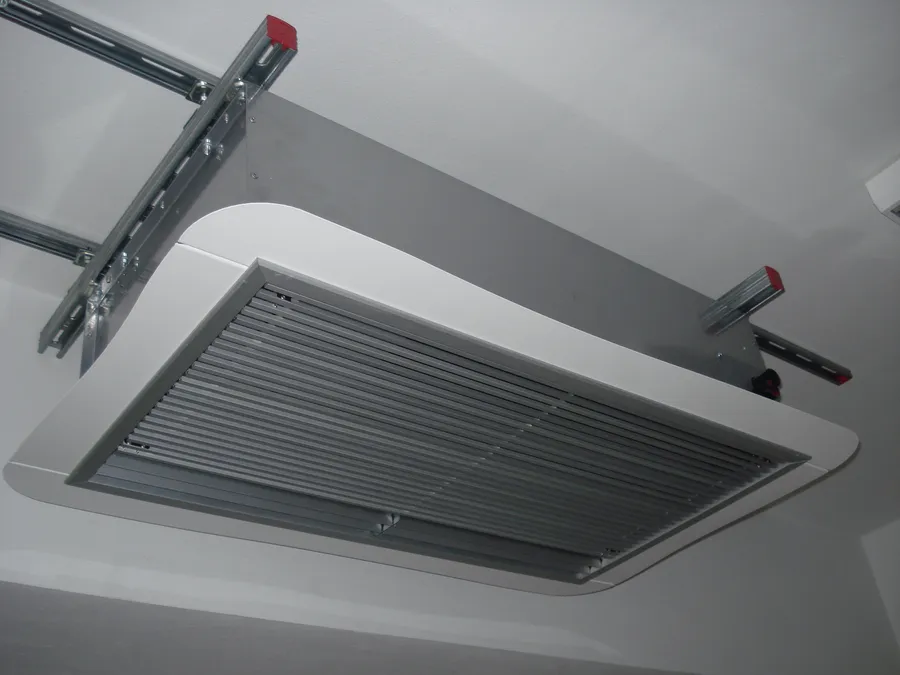
A variable refrigerant flow system connects one outdoor unit, or a bank of them, to many indoor units on a single refrigerant circuit. Each indoor unit draws only the refrigerant its room needs, and the inverter compressor outdoors slows or speeds up to match the total. The result is smooth cooling, a room temperature that holds close to the setpoint, and low sound levels inside and out. Seven Infra supplies and installs VRF across the UAE.
What we deliver
| Stage | What we do | Deliverable |
|---|---|---|
| Load study | Room-by-room heat-load calculation at UAE design conditions | Load schedule |
| Design | Outdoor and indoor unit selection, zoning, controls, refrigerant charge | Schematic and equipment schedule |
| Piping planning | Pipe routes, branch positions, length and height limits, insulation | Piping layout drawings |
| Installation | Brazed copper pipework, branch kits, condensate, wiring, controls | Progress records |
| Testing and commissioning | Pressure test, vacuum, charge by weight, zone-by-zone run | Commissioning report |
| BMS integration | BACnet, Modbus or KNX gateway specified and every point tested | Points list |
Zoned control and inverter compressors are where the energy savings come from. Empty rooms are set back or switched off without affecting the rest of the building, and the compressor runs at part load for most of the year instead of cycling. Against ducted splits serving the same floor area, a VRF system designed this way typically uses 25 to 35 percent less electricity across a UAE year. Design solutions produces the load study; installation and commissioning carries it to handover.
Applications
- Luxury villas: 8 to 40 HP systems with a controller in every bedroom and one outdoor plant on the roof.
- Hotels: guest-room zoning with occupancy-linked setback and central monitoring.
- Hospitals and clinics: steady temperatures in wards and consulting rooms, with fresh air from a separate ERV.
- Offices: floor-by-floor systems so each tenant controls and pays for its own space.
- Institutions: schools, universities and government buildings with phased occupancy.
Brands
Seven Infra supplies all major VRF brands sold in the UAE, including Daikin, Mitsubishi Electric, Carrier, Trane, York, Toshiba, LG, Samsung, Gree, Midea, O General and Hitachi. We select the equipment by what the design calls for, capacity at 46°C, pipe-length limits, sound level, controls and parts availability, not by brand preference.
Built for the UAE climate
Outdoor units are selected for T3 conditions, 46°C ambient, because a unit rated at 35°C loses 10 to 15 percent of its capacity by mid-afternoon in August. Coastal humidity is handled by keeping fresh air on a dedicated ventilation unit rather than the VRF indoor units. Roof plant gets clearance for airflow and access for coil cleaning, as dust is the main cause of lost capacity. We specify R32 or R410A equipment carrying MOIAT star labels; R22 systems are replaced rather than extended, as the refrigerant is no longer supplied.
Who it is for
Villa owners who want one system for the whole house with a controller in each room. Developers and contractors who need VRF supplied and installed to programme. Consultants who need shop drawings and commissioning records. Hotels and hospitals that need central control and maintenance and support after handover.
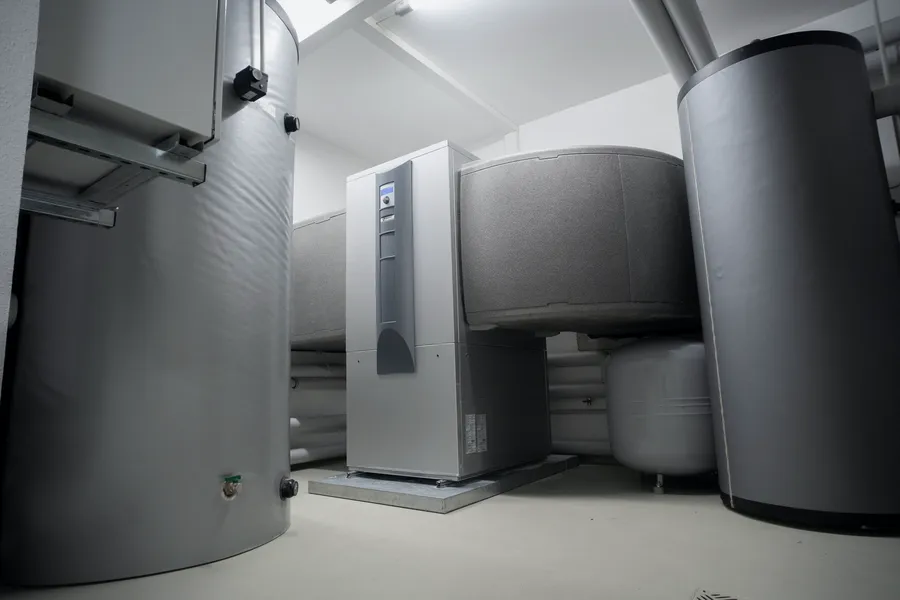
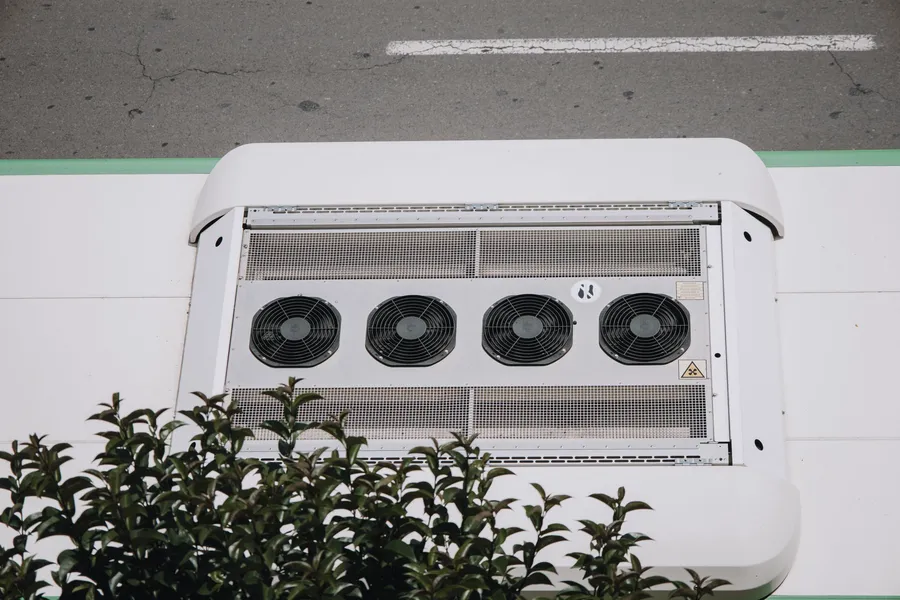
The equipment


Frequently asked questions
VRF or ducted splits for a villa?
For a villa with more than four cooled zones, VRF usually wins on running cost, sound level and roof space, and every bedroom gets its own control. Ducted splits win on simplicity. We give both options with numbers.
How long does a VRF installation take?
Three to five weeks for a new-build villa where the pipework goes in before the ceilings close. An office floor takes four to eight weeks. A retrofit in an occupied building takes longer because each zone is done in turn.
Can VRF connect to a BMS or smart-home system?
Yes. All the major brands offer BACnet, Modbus and KNX interfaces. We specify the gateway in the design and test each point during commissioning so the points list matches what the BMS sees.
Do you take on a VRF system another contractor installed?
Yes. We start with a condition survey, a leak check and a review of any commissioning records. If the refrigerant charge was never calculated from the installed pipe lengths, we correct it. Contact us with the drawings and we will advise.