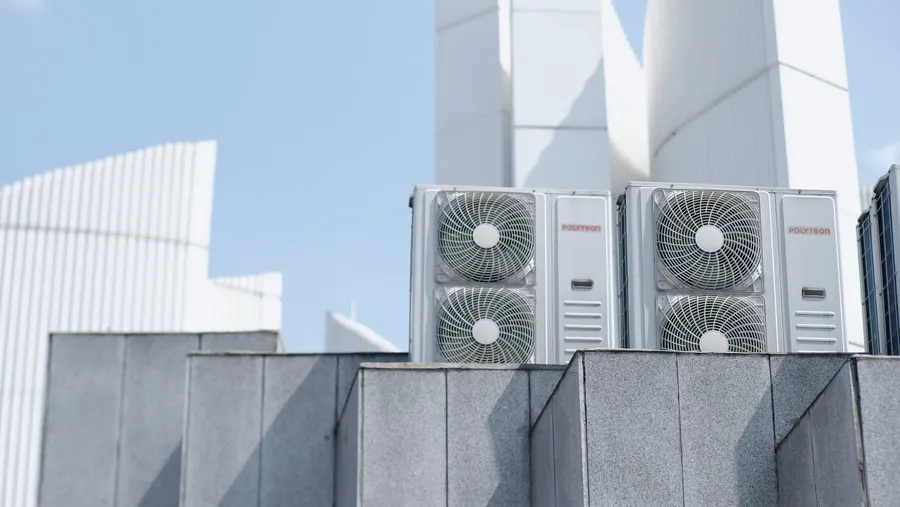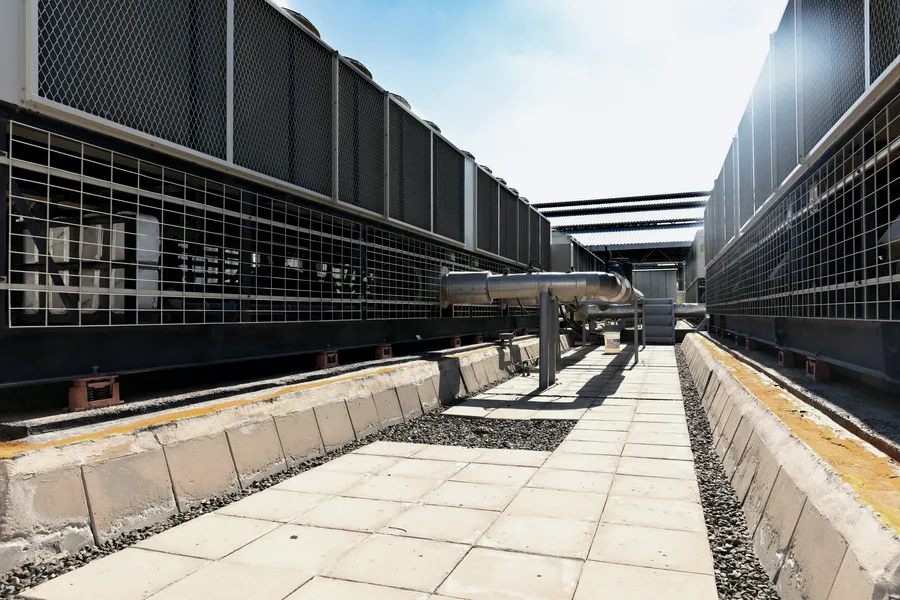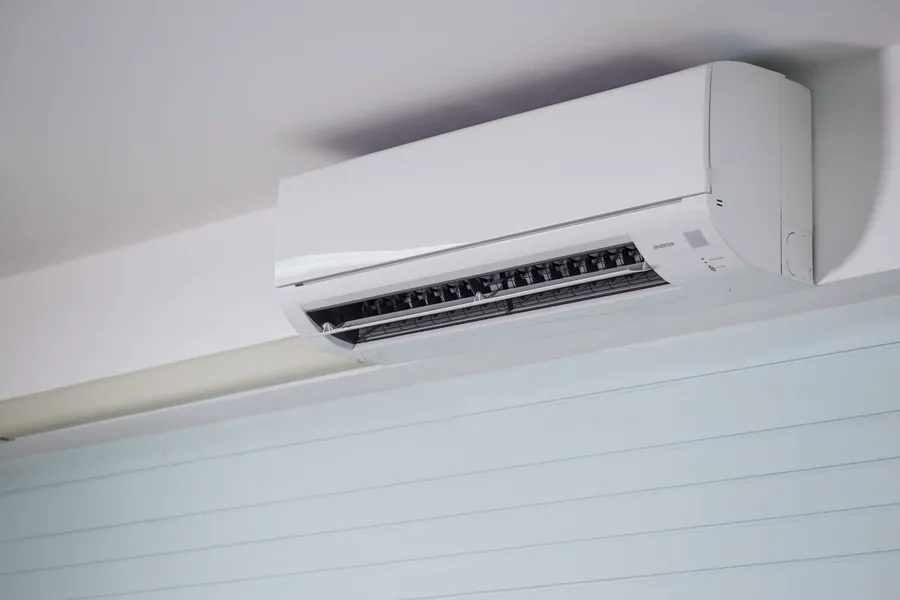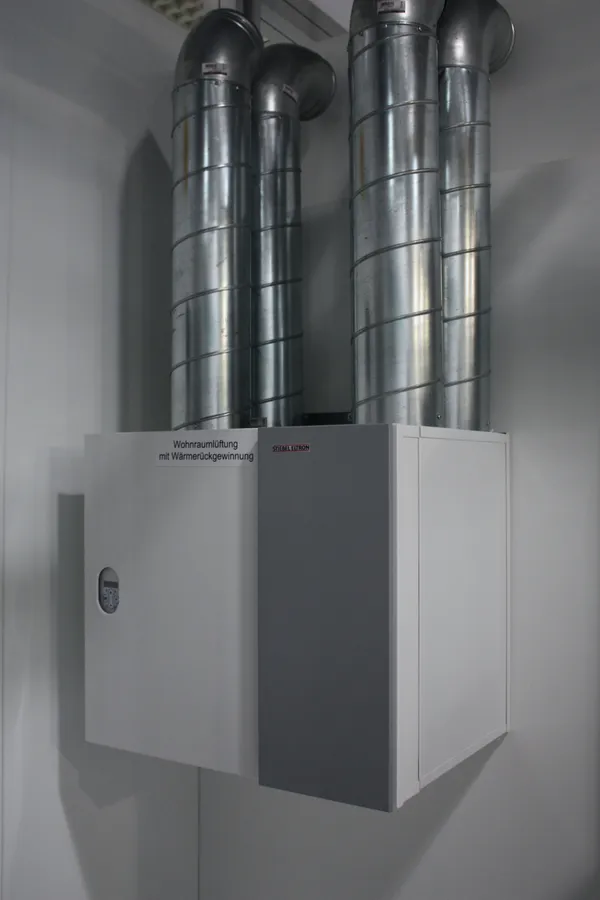
Hot water is one of the larger electrical loads in a hotel, hospital or accommodation block, and a resistance heater turns each kilowatt-hour of electricity into one kilowatt-hour of heat. A heat pump water heater draws heat from the surrounding air, which in the UAE is warm all year, and delivers 3 to 4 kilowatt-hours of heat for each kilowatt-hour it consumes. Seven Infra supplies and installs these systems where hot water is needed consistently and in volume.
What we deliver
| Stage | What we do | Deliverable |
|---|---|---|
| Demand study | Daily and hourly hot-water profile from occupancy, fixtures and operating hours | Demand schedule |
| System sizing | Heat pump capacity, recovery rate and number of units | Equipment schedule |
| Storage planning | Tank volume, temperature setpoints, standby | Storage schematic |
| Electrical and plumbing | Supply sizing, protection, primary circuit, recirculation, mixing valves, insulation | Single-line diagram and plumbing layout |
| Installation and commissioning | Unit setting, connections, fill, pressure test, start-up, recovery check | Commissioning report |
The demand study is where the project is won or lost. A hotel with 200 rooms draws most of its hot water in two short peaks each day, so the answer is a smaller heat pump with more storage, not the reverse. We model the profile, size the store to carry the peak, and select the heat pump to recover the store between peaks. Design solutions runs the calculation; installation and commissioning delivers it.
Applications
- Hotels: guest-room hot water with recirculation so the tap runs hot at once, plus capacity for laundry and kitchens.
- Hospitals: consistent supply at controlled temperatures, with standby units for continuity.
- Large homes: one central heat pump and store replacing a set of electric geysers, at lower running cost.
- Staff accommodation: high morning draw across many showers, sized from the occupant count and shift pattern.
Brands
Seven Infra supplies all major heat pump water heater brands sold in the UAE, including Daikin, Mitsubishi Electric, Carrier, Trane, York, Toshiba, LG, Samsung, Gree, Midea, O General and Hitachi. Selection follows the design: heating capacity across the site’s ambient range, maximum outlet temperature, refrigerant, sound level and parts availability in the emirate.
Built for the UAE climate
Warm air is the fuel for a heat pump, so the UAE is a favourable place to run one, but the unit must be rated for T3 conditions and a 46°C ambient at the intake, and the evaporator coil must hold its capacity when the air is humid. Units get clearance for airflow and protection from dust. Equipment carries MOIAT star labels and runs on R32, R410A or CO2 refrigerant depending on the required outlet temperature. Older R22 heat pumps are replaced rather than repaired, as the refrigerant is no longer supplied.
Who it is for
Hotel owners and operators cutting the electricity used for hot water without changing what guests experience. Hospital and accommodation estates teams replacing banks of resistance heaters. Developers specifying central hot water. Villa owners with a large home and several bathrooms. FM companies who will run the system afterwards, with maintenance and support available from us.
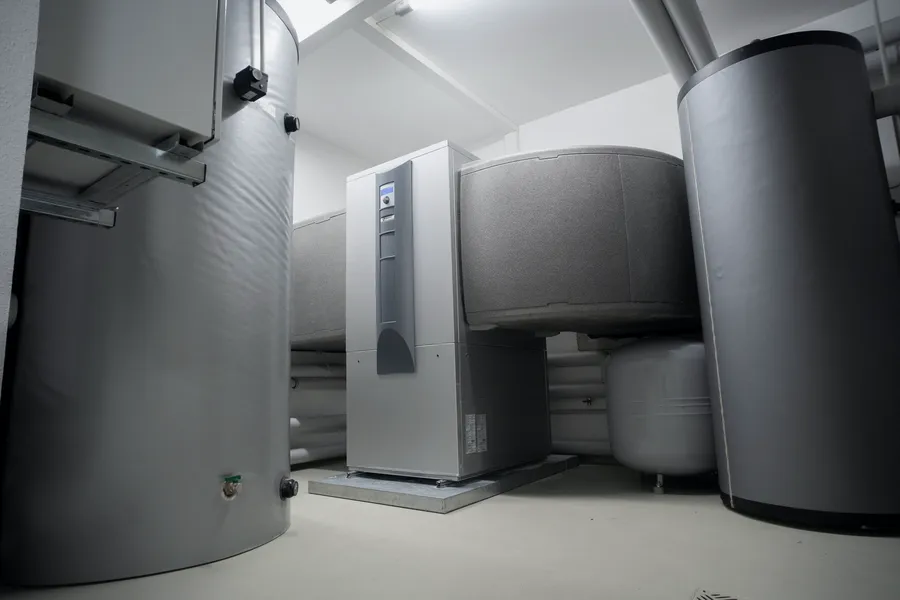
The equipment
Frequently asked questions
How much electricity does a heat pump save against resistance heating?
A heat pump delivering 3 to 4 units of heat per unit of electricity uses 65 to 75 percent less than a resistance heater producing the same hot water. We quantify it from the demand study rather than a rule of thumb.
What water temperature can a heat pump reach?
Standard R32 and R410A units deliver 55 to 60°C, which covers hotels, homes and accommodation. CO2 units reach 80 to 90°C where hospitals or kitchens require it.
Can a heat pump replace existing electric water heaters?
Yes. Most replacements reuse the existing pipework and add a central heat pump and store. We survey the plumbing, the electrical supply and the plant space, then set out what changes and what stays.
How long does the system take to install?
A villa system is installed in two to three days. A hotel or accommodation block takes two to six weeks depending on the plant room and pipework changes. Contact us with the occupancy and fixture count to start a demand study.